Recovery: Codependence
I wasn't sure what to write about this week.. meditation? supplements? attachment? But then I was reminded, the best topic to share on at any given time is the one dearest to my heart at that moment. Today that is most definitely codependence.
What is codependence? Many people have their own definitions, mine is inspired by Melody Beattie, my work in 12 step, and my own experiences. The main component is dependence: when I am no longer able to operate independently of another person. In the past this has ranged from complete obsession to more subtle, covert addiction. Within this structure, typical patterns play out: the drama triangle from victim to victimizer, the date-breakup-date cycle, explosive highs and destructive lows.
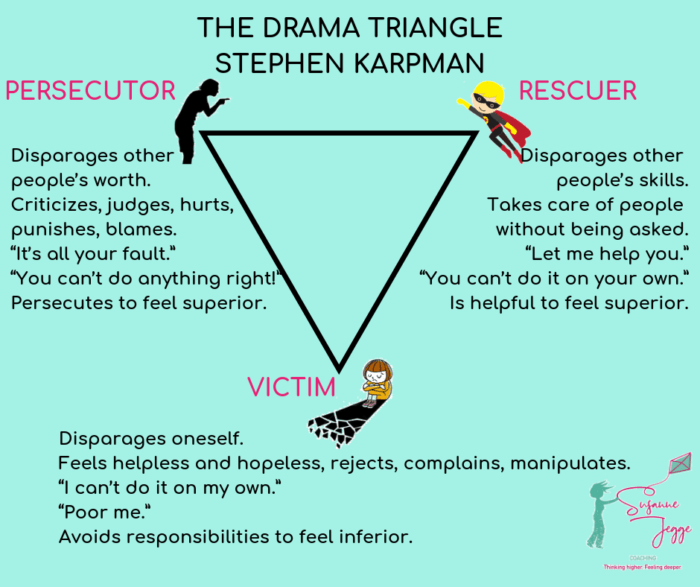
I was made aware of my codependent behaviors when I read Codependent No More by Melody Beattie. This book was a mirror into my spirit, it was as if Melody knew me better than I knew myself. Most painful and challenging for me was the realization that I was not a victim in my past relationships, as I had believed. After all, I wasn't the one exploding, picking fights, initiating breakups, threatening, testing, etc., I was the victim of such behaviors by my exes. While I wasn't engaged in such overt behavior, I was consumed by covert behavior: passive aggressiveness, withdrawal, withholding affection, conflict avoidance, lack of boundaries, lack of authenticity, etc.
Seeing my part in the drama was painful. Even more painful was the realization that my behavior was not disinterested: I got payoff by staying in codependent relationships. By dating emotionally unavailable women, I could focus totally on chasing and fixing and rescuing, and remain completely numb to my own needs and emotions. In recovery, I've learned to break this pattern, and focus on myself, which has been an incredibly painful and challenging procedure as I have decades of grief and shame to process. That was my payoff: keeping my pain exiled, out of sight and out of mind.
The other payoff I got was the explosive highs. Being so numb to myself, so disconnected and dissociated, it took extreme activation to pierce through and impact me. The whiplash from breaking up the day before to expressing mad love the next gave me the high I desperately craved, the high strong enough to temporarily abate the pain and overwhelm me with affection.
Thankfully it's no mystery where this behavior stems from. As Claire Weekes' puts it, I was trained for it. My mother, an alcoholic, was obsessed with me as a small child. When she lost custody of me, I experienced profound abandonment: overnight I lost my mother, brother and sister. I was then raised by my stepmother, also obsessed with me, but prone to violent and random outbursts of rage. My father, for his part, abandoned me to the care of my stepmother, while himself ranging emotionally from mockery to rage to icy indifference.
The template for unhealthy attachment style was programmed into me. Anxious-avoidant, craving the safe and loving affection I never received, while terrified of it; like Tantalus, doomed to reach for something always just out of range. So I spent my teenage and adult years going from one codependent relationship to another. If my partner wasn't buying it, if my partner brought a healthier attachment style to the table, I ran away.
Now, with the help of recovery, I feel I am in a much healthier attachment style, though far, far, far from perfect. Just recently I've been feeling the codependent urges: if my girlfriend won't pick a fight, then dammit I'll pick one! I still crave the highs and lows, the overwhelming excitement and terrifying abandonment. When the urges arise, I have tools available to me now: call a fellow, go to a meeting, journal, check in with myself. Usually it's a sign that I'm overextending myself for others, and not taking care of myself.
For instance, I've been helping my girlfriend with adulting recently, and I noticed a feeling of resentment creeping up. Where's my payday? When do I get to be the center of attention? Who's taking care of me? As hard as it is to share these thoughts and feelings, it's critical for me to do so, because it's when I keep them locked up inside that they build and build and then explode. The thoughts are also intimately revealing: I am feeling like I'm doing too much for others.
Today I can validate that feeling for myself, and recognize that no one has been forcing me to help them, I've been taking this action of my own accord, and I can re-evaluate my involvement with others at any time. Right now, that looks like re-orienting toward myself: focusing on my wants and needs this week, and when someone asks for help (or I imagine they're asking for help, how often I confuse the two), I can turn them over to God and trust that they can take care of themself, just as I am doing for myself.